Your Child is Learning the Skills -
But It's Not Showing Up
When It Matters
Whether your child is currently in therapy (PT, OT, or Speech) or you’re starting to wonder if they might need it — this is where those skills get used when things aren’t controlled or predictable.
Designed for children who are already working on focus, regulation, or coordination—and still struggling to use those skills consistently outside of structured, clinical settings.
You're Already Seeing the Disconnect
Your child may be able to do the skill in the right setting.
But when things get busy, frustrating, or unpredictable, it starts to fall apart.
• Focus drops
• Directions don’t stick
• Emotions take over
• What they know doesn’t
consistently show up in the moment
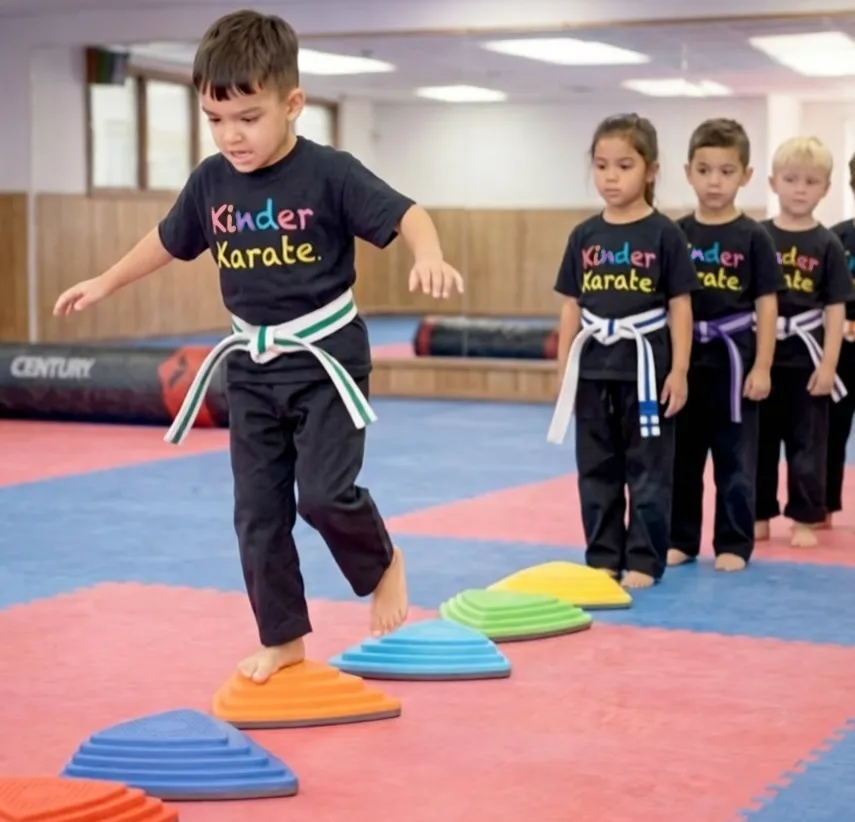
Therapy Builds the Skill.
Kids Need a Place
to USE IT.
It’s about being able to use it when life doesn’t stay calm and controlled.
During movement
Around other children
When routines shift
When something feels hard or frustrating
A structured class where these skills actually get practiced
This is not a loud or chaotic martial arts class.
It is a calm, structured environment where children are guided
to focus, follow directions, and stay in control—even when it’s difficult.
STRUCTURED
Every part of class follows a clear, step-by-step structure—so your child isn’t just doing movements, they’re building skills in a way that connects and builds over time.
PREDICTABLE
Clear routines help your child know what to expect and what to do next, so they can stay focused instead of guessing.
SOCIALLY DYNAMIC
Your child practices these skills around other kids, learning how to stay focused, take turns, and follow through even with distractions.
REGULATION FOCUSED
When things get challenging, we don’t stop.
We guide your child through it so they can learn how to stay in control.
Capacity Training™ is a structured approach
that helps skills carry over into real life.
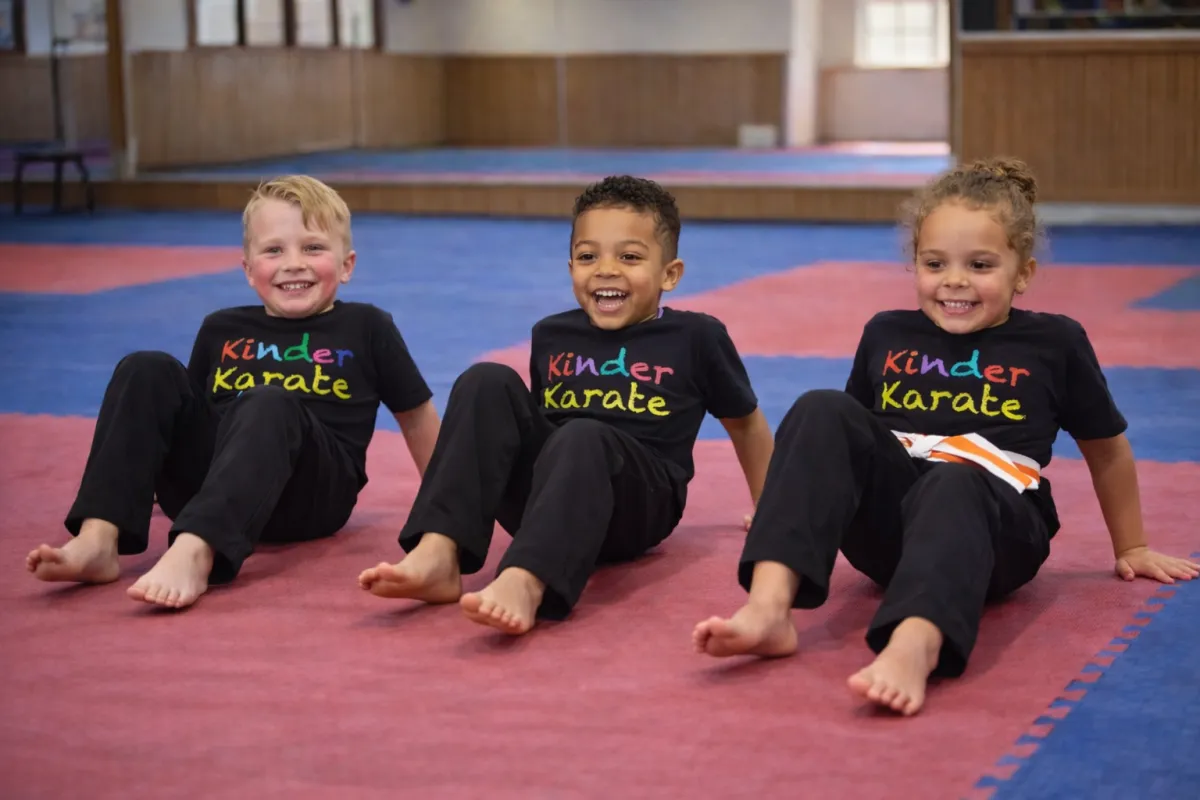
How the Program Works

ASSESSMENT FOR
FIT

SMALL GROUP PLACEMENT

STRUCTURED TRAINING SESSIONS

ONGOING PROGRESS TRACKING
When appropriate, we can coordinate general progress feedback with your child's providers.
Who is a Good Fit:
Your child is already in therapy — or you’ve been considering it
They can demonstrate skills, but struggle to use them consistently
Focus, regulation, or follow-through breaks down outside of structured settings
They are able to participate in a small group
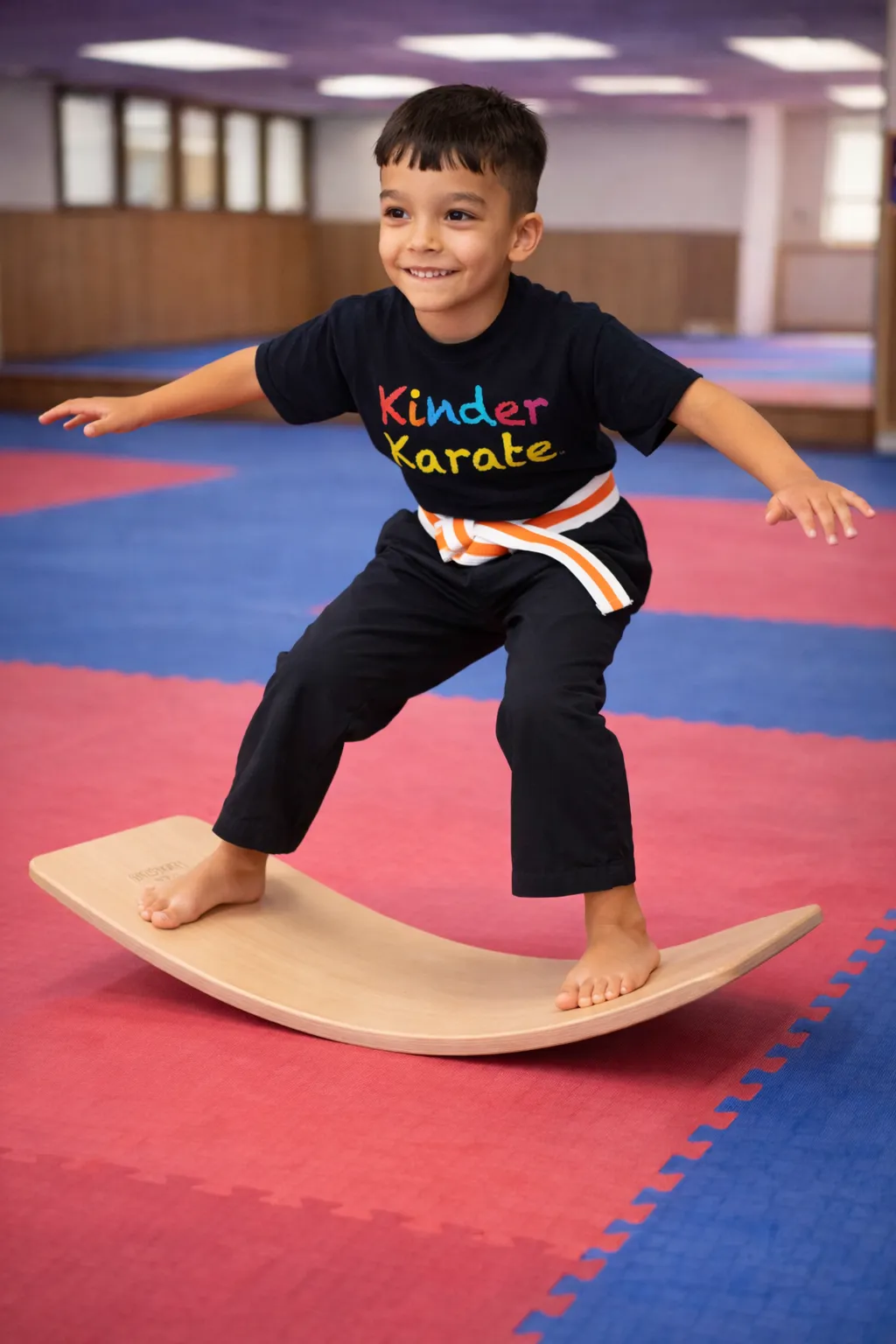
Who Is NOT a Good Fit:
Your child requires constant one-on-one support
They are not yet safe in a group setting
They are unable to follow simple directions, even with support
Your child is not yet able to stay with a task, even briefly, without leaving or shutting down
Built on decades of experience helping children develop focus and control
This program is based on over 30 years of experience helping children build focus, coordination, and regulation through structured movement.
It was designed for children who need more than instruction—they need repeated opportunities to use those skills when it’s actually difficult.
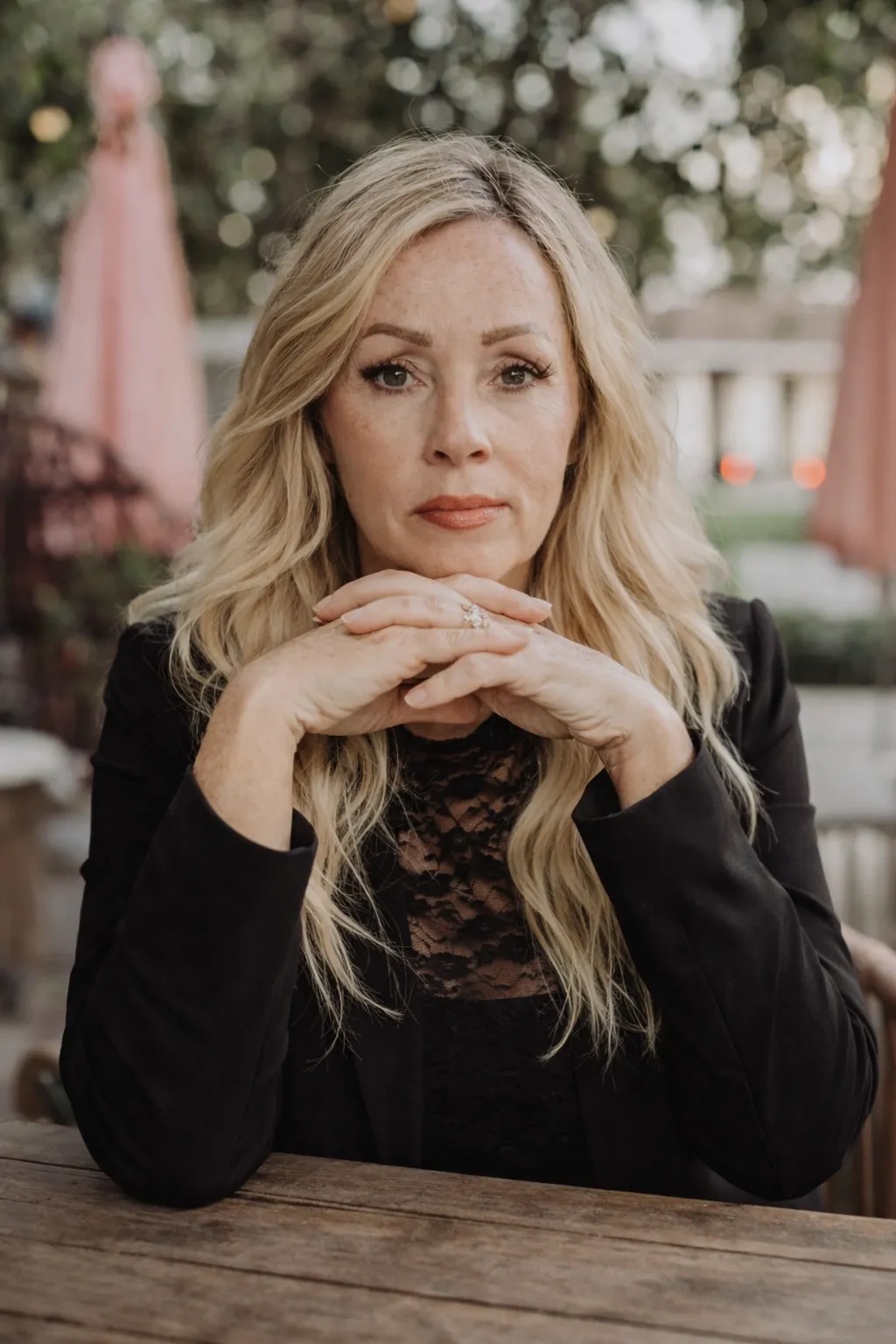
The framework was developed by Kara Czerniak, drawing on over 30 years of experience working with children, along with advanced study in psychology and early childhood development.
Framework and Background:
Master’s Degree in Positive Psychology
Doctoral work in Early Childhood Education (in progress)
30 years working with children in structured programs
Developer of the Capacity Training framework™
Designed specifically for real-world skill use
What Happens If Nothing Changes?
Most children don’t struggle because they don’t understand what to do.
They struggle because they don’t yet have the ability to use those skills consistently
—especially when things feel hard, busy, or unpredictable.
And without the right kind of practice, that gap doesn’t close on its own.
This is one of the most common patterns seen across both home and therapy—skills don’t always carry over when the environment changes.
What your child needs isn’t more instruction.
They need repeated opportunities to use those skills
in the moments where they usually break down.
Serving the Greater Pittsburgh Area